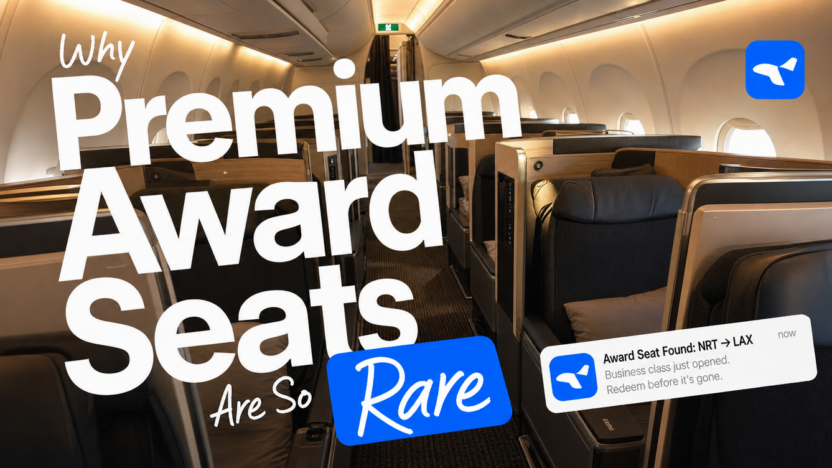
You may have a strong points balance and still notice something confusing. Seats in airline premium cabins appear available for cash, yet airline award seats seem difficult to find. It raises a natural question: why do airline premium cabins look open until you try booking with points?
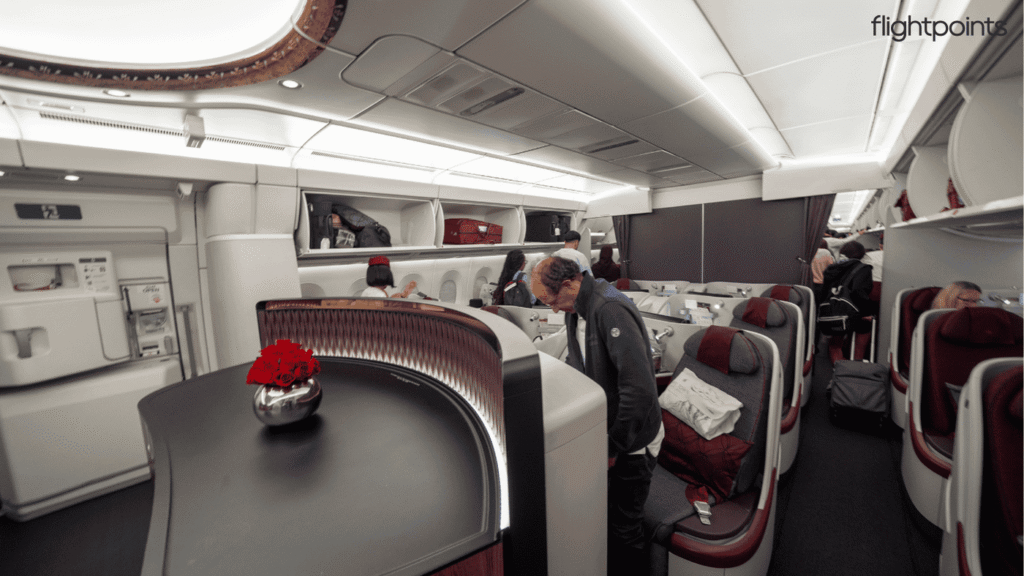
The answer lies in how airlines manage premium seats. Rather than treating them as unsold inventory, airlines view these cabins as high-value assets and carefully decide when award access makes sense. Availability is shaped by revenue forecasts, loyalty strategy, and expected demand, not simply by whether a seat looks empty.
The global airline loyalty program market reached USD 8.4 billion in 2024, highlighting how important redemption decisions have become for airlines. Delta’s premium cabin revenue reached $5.70B in Q4 2025, surpassing main cabin economy revenue at $5.62B. Seen through this lens, limited airline award seats become easier to understand. In this blog, we explain the logic behind why airline premium cabins limit awards and how airline availability decisions actually work.
Key Takeaways
- Airline premium cabins are managed like financial assets, not empty seats. Airline award seats are planned and adjusted continuously based on revenue expectations, not leftover availability.
- Availability changes follow predictable airline behavior, not randomness. Timing windows, forecast updates, and late booking demand directly influence when award seats appear or disappear.
- Pricing is a control mechanism, not just a redemption cost. Airlines adjust point pricing to shape traveler decisions, balance demand, and protect premium cabin revenue.
- Access depends on loyalty strategy as much as availability. The same flight can show different airline award seats depending on which program you search and your relationship with the airline.
- Perceived scarcity often comes from limited visibility, not true absence. Award seats exist across different routes, dates, and release windows, but fragmented search patterns hide them from view.
How Airline Premium Cabins Manage Airline Award Seats as Revenue Assets
When you look at availability in airline premium cabins, you are not seeing a simple seat map. Airlines operate under yield management systems that treat every seat as controlled inventory tied to expected revenue. Each airline award seat is evaluated against potential cash sales, loyalty value, and future booking trends.
Instead of releasing awards based on empty seats, airlines divide inventory into categories that can be adjusted at any time. These categories allow airlines to protect high-value demand while still supporting loyalty programs.
Viewing availability through an award flight discovery platform helps you recognize that inventory categories behave differently depending on airline revenue expectations. To understand this system clearly, it helps to separate inventory types:
| Inventory Type | What It Means for You |
| Cash fare buckets | Seats sold at different price levels depending on demand forecasts |
| Airline award seats | Dedicated redemption inventory released intentionally |
| Upgrade inventory | Seats reserved for paid or operational upgrades |
| Operational holds | Seats kept flexible for schedule changes or disruptions |
Key mechanics shaping availability include:
- Airlines assign award inventory months before departure based on projected demand.
- Inventory levels are reviewed continuously as booking patterns change.
- Seats can move between cash and award categories when revenue expectations shift.
- Premium cabins generate higher margins, so protection thresholds are stricter.
When demand forecasts rise, airlines reduce airline award seats because each premium seat carries measurable revenue potential. Premium award seat finders like Flightpoints help you interpret these inventory categories by showing how airline award seats appear across programs instead of viewing availability as a simple seat map.
Why Airline Award Seats Are Not “Leftover Seats”
Many travelers assume award availability appears only after airlines fail to sell seats. In practice, airline award seats are planned long before booking begins and adjusted throughout the sales cycle.
The following principles explain the structure:
- Award inventory is pre-allocated. Airlines decide early how many redemption seats may exist on a flight.
- Demand forecasting begins months ahead. Historical booking data and route performance guide allocation decisions.
- Seats can be withdrawn quickly. When paid demand strengthens, inventory shifts back toward cash fares.
- Loyalty redemption competes with revenue goals. Each redemption replaces potential ticket revenue, so availability is tightly controlled.
This system means award space reflects planning decisions rather than unsold capacity.
Why Timing Determines Airline Award Seat Availability in Airline Premium Cabins
Timing often creates the illusion that airline award seats appear and disappear randomly. In reality, availability changes because airline forecasting models update continuously as booking data improves. Airlines gain increasing confidence about expected revenue as departure approaches, and inventory decisions adjust accordingly.
Availability typically moves through predictable phases:
| Booking Phase | What Happens to Airline Award Seats |
| Schedule release (10–12 months out) | Initial award inventory may open to stimulate early bookings |
| Mid-cycle adjustment | Airlines recalibrate availability based on demand trends |
| Close-in protection | Premium seats shift toward cash sales as revenue certainty increases |
Key timing dynamics you should understand:
- Early availability encourages loyalty engagement and long-range planners.
- Mid-cycle periods reflect ongoing demand testing and recalibration.
- Close-in windows prioritize high-yield travelers willing to pay cash.
- Forecast accuracy improves over time, allowing tighter inventory control.
- Many travelers only notice these patterns after using award availability alerts, which reveal how seats appear briefly during forecast adjustments.
Because airline premium cabins generate significant revenue late in the booking cycle, award access naturally becomes more restricted closer to departure. This timing pattern becomes easier to recognize when you track availability trends over time using platforms like Flightpoints, which surface release behavior instead of isolated search results.
Stop checking availability manually and let award seats come to you. Set FlightPoints alerts to get notified when premium cabin award space opens.
The 48–72 Hour Window When Airline Award Seats Often Disappear
When airline award seats vanish shortly before departure, the change follows a structured revenue response rather than sudden scarcity. Airlines rely on short-term demand signals during this period to maximize premium cabin revenue.
Several predictable forces drive this shift:
- Corporate travel demand increases. Business travelers often book within days of departure.
- Last-minute buyers pay higher fares. Premium cabins attract urgent travel purchases.
- Forecast confidence rises sharply. Airlines can estimate final revenue with greater accuracy.
- Cash sales take priority. Remaining premium seats are protected for high-value transactions.
If you monitor availability across multiple days, you will often notice airline award seats tightening as departure nears because revenue certainty replaces speculative inventory planning.
Pricing Strategy Changes Inside Airline Premium Cabins and Airline Award Seats
Inventory explains when airline award seats appear. Pricing explains how attractive those seats become once released. Airlines have gradually shifted from fixed award charts toward pricing models that adjust according to demand signals, cash fares, and expected revenue performance inside airline premium cabins.
Instead of offering predictable redemption costs, airlines now align award pricing closer to market value. This reduces predictable sweet spots and limits situations where travelers consistently extract outsized value compared to cash buyers.
The difference becomes clearer when you compare pricing models:
| Pricing Model | What You Experience |
| Fixed award charts | Stable point pricing regardless of demand |
| Hybrid pricing | Base ranges adjusted during busy periods |
| Dynamic pricing | Points required fluctuate with ticket prices and demand |
Pricing decisions influence booking behavior in several ways:
- Higher point costs during peak demand push travelers toward off-peak dates.
- Comparing options across routes often requires an award route finder, since pricing differences frequently emerge between alternate hubs serving the same destination.
- Increased pricing discourages speculative bookings that block revenue seats.
- Airlines maintain flexibility to protect premium cabin profitability.
- Redemption value varies intentionally across routes and seasons.
Seeing these pricing shifts across multiple programs at once is where Flightpoints becomes useful, since award pricing rarely changes uniformly across loyalty ecosystems.
Why Airline Award Seats May Exist but Cost More Points
Availability and affordability are controlled separately. A seat may exist in airline premium cabins, yet pricing may rise to reflect strong demand or high expected revenue.
Several pricing forces shape what you see:
- Demand-linked pricing: Point costs increase when booking activity rises.
- Cash fare correlation: Expensive award tickets often translate into higher redemption pricing.
- Peak travel penalties: Holidays and business-heavy routes raise award costs.
- Behavioral demand shaping: Pricing nudges travelers toward flexible dates or alternate routes.
This structure allows airlines to release airline award seats while still protecting revenue outcomes.
Compare multiple routing options instead of guessing which path offers availability. Use the FlightPoints routes feature to uncover better premium cabin award opportunities across airlines.
Access Control: Who Actually Gets Airline Award Seats in Airline Premium Cabins
Not every loyalty program sees the same availability. Airline award seats are distributed through a structured hierarchy designed to strengthen direct customer relationships and reward long-term loyalty behavior.
Airlines prioritize access based on strategic value rather than equal distribution across programs. Your search results depend heavily on which loyalty ecosystem you use.
The hierarchy typically works as follows:
| Access Level | Availability Priority |
| Airline’s own loyalty members | Highest access and earliest visibility |
| Elite status members | Expanded inventory or better pricing |
| Co-branded credit card holders | Promotional or protected award access |
| Partner programs | Limited shared inventory |
Key reasons airlines favor direct engagement:
- Loyalty programs generate significant revenue through credit card partnerships.
- Direct members create repeat engagement and predictable spending.
- Controlled access strengthens brand loyalty.
- Partner reimbursements are often lower than direct redemptions.
Flightpoints helps reduce this confusion by revealing availability across multiple loyalty programs simultaneously, allowing you to see differences created by access rules rather than assuming seats are unavailable.
Why Partner Programs Often Show Fewer Airline Award Seats
When you search through partner programs, you are viewing a filtered portion of inventory rather than the full availability pool. Airlines intentionally limit what partners can access.
Several structural factors shape partner visibility:
- Smaller partner allotments: Only a subset of airline award seats is shared externally.
- Later booking window access: Partners may receive availability after direct members.
- Lower reimbursement economics: Airlines earn less value from partner redemptions.
- Strategic loyalty retention goals: Airlines reserve premium inventory for their own customers first.
This explains why identical flights can display different results across programs even when seats exist.
Why Premium Economy Is Often the Hardest Airline Premium Cabin for Airline Award Seats
Premium Economy often feels unusually difficult to book with points. This is not intentional concealment but a result of structural demand characteristics within airline premium cabins.
Unlike Business or First Class, Premium Economy attracts a broad range of travelers seeking comfort upgrades without premium pricing. Airlines frequently sell these seats for cash, reducing the need to release airline award seats.
Key structural constraints include:
- Small cabin size: Many aircraft include only a limited number of Premium Economy seats.
- Wide demand appeal: Leisure and business travelers both consider this cabin attractive.
- Strong revenue efficiency: Airlines achieve high return per seat relative to space used.
- Mid-price positioning: Travelers willing to pay modest upgrades reduce reliance on awards.
Using a flexible award flight destination search often reveals Premium Economy availability on nearby routes where demand pressure is lower. Because cash demand remains steady, fewer seats transition into redemption inventory.
Operational Factors That Quietly Reduce Airline Award Seats
Not all availability decisions come from revenue planning. Airlines also reserve seats for operational flexibility, which can quietly reduce airline award seats even when demand appears moderate.
These operational protections help airlines manage disruptions and customer commitments. For travelers tracking availability closely, these adjustments often appear as sudden seat changes rather than predictable releases, which explains why structured monitoring tools matter.
Common operational factors include:
- Operational recovery protection: Seats held for passengers affected by delays or cancellations.
- Upgrade pipelines: Space reserved for paid upgrades or elite upgrade processing.
- Aircraft swaps and flexibility: Buffer inventory maintained in case of equipment changes.
- Elite accommodation buffers: High-tier customers may require last-minute rebooking solutions.
These seats may never appear publicly as airline award seats because they serve contingency planning rather than revenue or loyalty allocation.
Why Airline Premium Cabins Feel Scarce Even When Airline Award Seats Exist
After understanding airline pricing, timing, and access controls, the remaining confusion often comes from perception rather than actual availability. Airline premium cabins can appear empty for cash bookings while airline award seats seem unavailable because travelers search within narrow viewing windows. What you see depends heavily on search behavior and timing exposure.
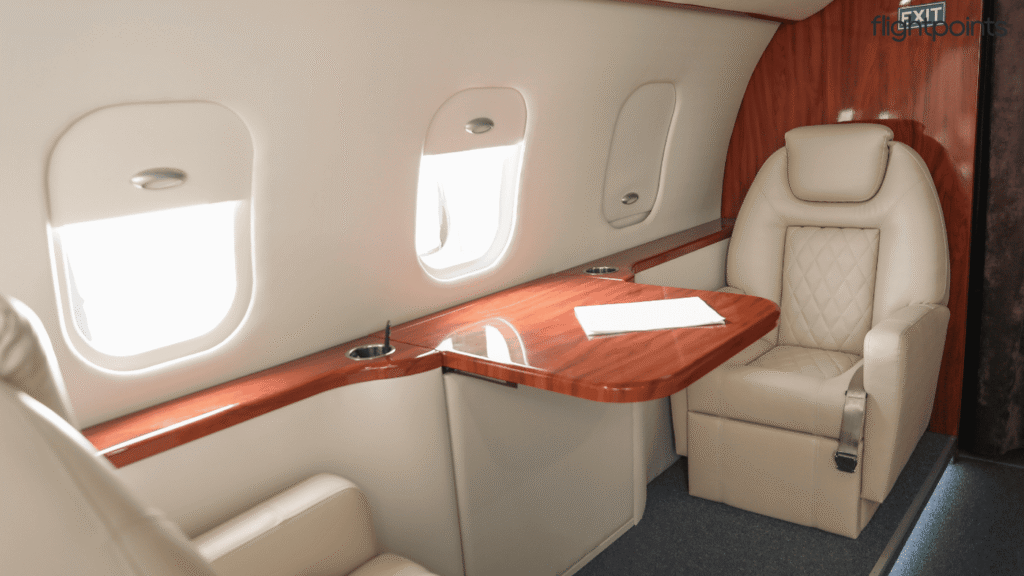
Availability is fragmented across programs, dates, and release cycles, which creates a false sense of scarcity.
The most common discovery gaps include:
- Single-date searches: Award inventory may exist one or two days earlier or later, but fixed-date searches hide those options.
- Single-program searches: Each loyalty program displays different portions of airline award seats.
- Lack of alerts: Availability often appears briefly and disappears before manual rechecks occur.
- Fragmented inventory timing: Seats may release months early, mid-cycle, or close to departure depending on airline forecasting.
These patterns create predictable cognitive bias:
| Search Behavior | Resulting Perception |
| Narrow search filters | “No availability exists” |
| Limited program visibility | Underestimation of inventory |
| Manual checking | Missed short release windows |
| Fixed expectations | Perceived scarcity increases |
You are often seeing incomplete information rather than true absence of airline award seats. This is exactly the gap Flightpoints addresses by aggregating fragmented availability signals into a single decision view, helping you evaluate airline premium cabins with fuller context.
How Flightpoints Helps You Find Airline Award Seats in Airline Premium Cabins
Once you understand how airline premium cabins manage inventory, pricing, and access, the real challenge becomes decision clarity. The difficulty is not simply finding seats but interpreting scattered availability across programs, timing windows, and transfer options. Flightpoints is designed to reduce that decision complexity rather than bypass airline systems.
Instead of relying on isolated searches, Flightpoints translates airline logic into structured visibility and actionable choices.
Key capabilities that support better decisions include:
- Multi-program visibility: You can view airline award seats across multiple loyalty ecosystems in one workflow, reducing blind spots caused by program-specific inventory.
- Timing intelligence: Release patterns and availability signals help you recognize when award space is more likely to appear.
- Transfer decision support: Flightpoints helps you compare redemption outcomes before moving transferable credit card points.
- Reduced analysis paralysis: Structured comparisons replace manual trial-and-error searching.
The difference becomes clearer when comparing traditional searching versus guided discovery:
| Traditional Search | Flightpoints Approach |
| One program at a time | Cross-program visibility |
| Manual date checking | Timing-informed discovery |
| Guessing transfer value | Data-supported transfer decisions |
| Fragmented information | Unified decision context |
By aligning search behavior with how airlines actually release airline award seats, Flightpoints helps you make confident booking decisions inside airline premium cabins without unnecessary uncertainty.
Stay informed on premium cabin trends, award availability patterns, and smarter redemption strategies. Join the FlightPoints newsletter and make better booking decisions before seats disappear.
Conclusion
Airline premium cabins operate through coordinated systems rather than random availability decisions. Revenue protection determines when airline award seats are released, pricing control adjusts redemption costs, access gating defines who can see inventory, and timing dynamics shape when availability appears or disappears. When viewed together, these mechanisms form a structured model designed to balance loyalty engagement with premium revenue performance. Once you recognize that airline premium cabins function as optimized economic systems, limited award space begins to make logical sense rather than feeling unpredictable.
This is where Flightpoints becomes especially useful. By organizing scattered availability signals into clear decision guidance, it helps you interpret airline behavior instead of reacting to it. When you understand airline incentives, you can plan transfers, timing, and bookings with greater confidence and consistency, leading to stronger redemption outcomes over time.
Sign up for Flightpoints Pro now and take control of how you book airline premium cabins with points. Get 44% off today and start making smarter redemption decisions before award seats disappear.
FAQs
Q: Can airline premium cabin award availability change after you transfer credit card points?
A: Yes. Award inventory can update within minutes as airlines refresh availability. Confirm seats first whenever possible before transferring flexible points balances.
Q: How do mixed-cabin itineraries affect airline award seat pricing in premium cabin bookings?
A: Airlines may price the entire itinerary based on the highest cabin segment or average cabin value. Short premium segments can still increase total points required.
Q: Does booking one airline premium cabin award seat at a time improve success for multi-passenger trips?
A: Sometimes. Airlines may release limited seats incrementally, allowing separate bookings to secure availability that does not appear for larger group searches.
Q: Why do repositioning flights increase success when searching for airline premium cabin award space internationally?
A: Major gateway airports often receive more premium inventory releases. Starting from alternate hubs expands routing options and exposes availability otherwise hidden.
Q: How do airline schedule changes impact confirmed airline premium cabin award bookings after ticketing?
A: Schedule adjustments can trigger rebooking opportunities, sometimes allowing cabin upgrades or improved routing without additional points if handled promptly.
Q: Can combining transferable points from multiple credit card programs improve airline premium cabin redemption flexibility?
A: Yes. Access to multiple transfer partners expands routing and loyalty program options, increasing the chances of matching availability with usable points balances.