You search for a business class award seat and find a price that finally makes sense. Later, when you check again, the miles required look completely different. Moments like this can feel confusing, especially when nothing about your travel plans has changed. The challenge is rarely affordability. It is the uncertainty of not knowing what caused the shift or whether a better option still exists.

So what actually changed between those searches? Did airlines adjust pricing, or did something happen behind the scenes? In most cases, award prices respond to inventory movement, demand signals, and automated pricing systems working continuously in the background. Rather than being fixed numbers, award prices adjust as availability and booking patterns change.
Understanding these patterns turns confusion into clarity and helps you recognize when value appears. In this blog, we explain the six hidden forces that influence award prices and why they can change without warning.
In a Nutshell,
- Award prices change because inventory tiers move, not because airlines price randomly.
- Lower mileage awards are limited opportunities that disappear once claimed.
- More visible seats do not always mean better redemption value.
- The same flight can cost different miles across loyalty programs.
- Clear decision rules matter more than waiting for perfect timing.
Why Award Prices No Longer Stay Fixed in Modern Airline Loyalty Programs
Airline loyalty programs have shifted from fixed mileage charts to pricing that adjusts based on availability and booking activity. Routes that once required predictable mileage now change more often because pricing reflects inventory conditions rather than a single published rate. You are still seeing access to the same flights, but when award prices change suddenly, the system has usually moved between inventory tiers rather than increasing prices at random.
Before moving forward, it helps to understand the structural difference between past and current pricing models.
| Pricing Model | What You Saw Before | What You See Now | What Actually Changed |
| Fixed Award Charts | One predictable mileage price | Limited availability | Seat allocation controlled access |
| Hybrid Pricing | Saver price or higher fallback | Multiple mileage levels | Inventory determines price |
| Dynamic Pricing | Price tied loosely to demand | Constant fluctuation | Algorithm updates continuously |
What this means for you in practice:
- Award prices now reflect seat availability instead of a static chart.
- Availability rarely disappears completely, but pricing shifts as lower tiers fill.
- Understanding inventory tiers helps you interpret price changes calmly instead of second-guessing your search timing.
How Dynamic Award Prices Gradually Replaced Traditional Award Charts
Airlines introduced flexible pricing inside loyalty programs so they could continue offering redemption options while managing seat demand more precisely. Instead of removing award availability when low-cost seats are taken, systems now present alternative mileage levels. This gives you more chances to redeem points, even though pricing varies.
The transition happened in stages, and most programs now combine older chart logic with dynamic adjustments.
Below is a simplified comparison of how pricing structures work today:
- Fixed charts created predictable mileage expectations:
- A route such as US to Europe business class typically stayed within a narrow mileage band.
- Planning trips months ahead felt straightforward because pricing rarely moved.
- Hybrid pricing introduced saver and standard tiers:
- Lower mileage seats appear first and reward early or flexible bookings.
- When those seats are claimed, pricing adjusts upward while availability remains visible.
- Dynamic pricing connects mileage loosely to demand:
- Award prices respond to booking activity and seat demand patterns.
- Flights on popular city pairs may require more miles, while quieter dates can still show attractive pricing.
Understanding this shift helps you recognize that changing award prices often signal inventory movement rather than instability.
Reason 1: Limited Saver Inventory Fills Quickly
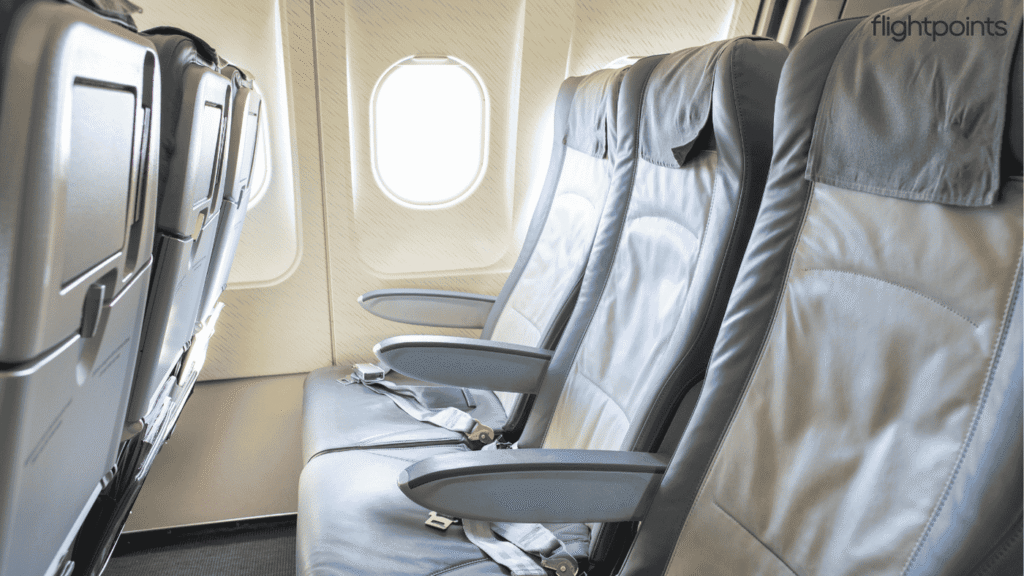
Lower award prices exist because airlines release only a small number of seats as saver awards. These limited seats balance loyalty redemptions with revenue goals, and once they are booked, pricing moves to the next tier. What looks like a sudden price jump usually means the lower inventory was claimed by other travelers, not that pricing changed unexpectedly.
To understand this behavior clearly, consider how airlines organize award inventory.
| Inventory Type | Purpose | Traveler Experience |
| Saver Inventory | Encourage loyalty redemption | Lowest award prices |
| Standard Awards | Maintain availability | Moderate mileage cost |
| Dynamic Awards | Protect revenue seats | Higher mileage pricing |
How saver inventory works in practice:
- Airlines release a small number of discounted award seats per flight.
- These seats may appear months in advance or closer to departure depending on demand forecasts.
- Once claimed, pricing moves immediately to the next tier rather than increasing gradually.
- Seeing a higher price usually means availability changed, not that you missed a hidden deal.
Common Situations That Cause Saver Award Prices to Disappear Quickly
As award search tools have improved, more travelers can identify valuable redemption opportunities at the same time. This increased visibility means attractive pricing tends to move faster than it once did. Understanding the patterns behind this demand helps you anticipate when availability may tighten.
Several common booking situations accelerate saver inventory movement:
- Peak travel periods attract concentrated demand
- Holiday seasons, summer vacations, and major events encourage early bookings.
- Flexible travelers often secure saver seats soon after release.
- Business-focused routes maintain consistent demand
- Routes such as New York to London or San Francisco to Tokyo attract steady premium cabin interest.
- Airlines release fewer discounted award seats where paid demand remains strong.
- Multi-passenger bookings reduce inventory quickly
- A single family booking can remove several saver seats at once.
- Flights with only two or four saver seats can be reprised instantly after one reservation.
- Improved search tools increase simultaneous discovery
- Platforms such as FlightPoints, a premium award seat finder tool, helps travelers compare availability across loyalty programs efficiently.
- When more users see the same opportunity, inventory moves faster.
Keeping these patterns in mind allows you to interpret award price changes as normal inventory movement rather than unexpected pricing behavior.
Reason 2: Demand Signals Cause Award Prices to Reprice Instantly
Airlines manage seats using revenue systems that track demand and booking activity in real time. These systems now influence loyalty pricing, so award prices adjust as conditions change rather than staying fixed. When mileage costs shift within hours, pricing is reacting to updated demand signals, not manual changes. Yield management estimates seat value as departure approaches, which is why availability may remain visible while mileage requirements move.
To understand this connection clearly, consider how demand inputs affect pricing behavior:
| Demand Signal | What the System Detects | Impact on Award Prices |
| Increased searches | Rising interest on a city pair | Higher mileage tiers appear |
| Faster bookings | Inventory selling quickly | Saver tiers disappear sooner |
| High load forecasts | Strong expected demand | Fewer low-cost awards released |
| Cash fare increases | Revenue seats gaining value | Mileage pricing adjusts upward |
What this means when you search:
- Award pricing reflects booking momentum, not fixed valuation.
- Price changes often occur after inventory thresholds are crossed.
- A refresh showing higher award prices usually signals demand movement rather than airline intervention.
Travelers who regularly scan availability across dates often notice these pricing shifts earlier because inventory updates continuously.
Demand Triggers That Move Award Prices Up or Down
Award pricing reacts automatically to operational signals rather than individual traveler behavior. These adjustments happen continuously as airline systems reassess seat value based on demand conditions.
The most common triggers include:
- Search surges:
- Increased route searches signal rising interest.
- Systems respond by limiting lower mileage tiers sooner.
- Popular long-haul city pairs often show rapid repricing during planning seasons.
- Cash fare bucket depletion:
- Airlines sell seats in pricing buckets.
- When lower cash fare buckets sell out, remaining seats become more valuable.
- Award prices often rise alongside these changes.
- Approaching departure date:
- Remaining seats gain importance as departure nears.
- Airlines prioritize revenue bookings over discounted awards.
- Mileage requirements may rise even without visible demand spikes.
- Seasonal demand spikes:
- Holidays, conferences, and school breaks increase booking velocity.
- Saver inventory disappears earlier than expected.
- Award pricing stabilizes again once peak demand passes.
This typically happens when many travelers begin to compare travel dates or explore alternate connections for the same trip window.
Reason 3: “Every Seat Available” Pricing Models Can Reduce Redemption Value
Many airlines now allow nearly every seat to be booked with miles, increasing visibility but not always value. Instead of limiting availability, airlines convert seat value into mileage pricing tied to expected revenue. You may see more options during a search for award seats, yet pricing varies because airlines protect seats likely to sell for cash.
The difference becomes clearer when comparing visibility and value:
| Pricing Approach | What You See | What It Means for You |
| Limited availability model | Few award seats | Lower mileage cost when available |
| Expanded availability model | Many seats visible | Wide mileage price range |
| Dynamic conversion model | Every seat bookable | Mileage mirrors demand strength |
Key idea to keep in mind:
- Visibility improved, but pricing now reflects expected revenue value.
- High mileage prices often represent protected seats rather than poor availability.
- Seeing a price does not always mean it represents a strong redemption opportunity.
Why High Award Prices Exist Even When Seats Are Available
Airlines maintain high mileage pricing to protect seats that may still generate strong cash revenue. Instead of removing those seats from award searches, systems display higher redemption costs that discourage low-value bookings.
This structure creates predictable pricing behavior:
- Dynamic fallback pricing:
- When saver inventory disappears, systems automatically present a higher mileage option.
- Availability remains visible even though value changes.
- Revenue protection logic:
- Airlines estimate the likelihood of selling seats with cash.
- Higher demand routes maintain elevated award prices longer.
- Premium cabin seats often stay expensive until close to departure.
- Psychological effect of always seeing a price:
- Continuous availability creates the impression that awards remain accessible.
- Travelers may assume pricing increased randomly rather than recognizing tier changes.
- Clear comparison across programs helps reveal whether pricing reflects value.
Recognizing this structure helps you separate availability from value when evaluating award options.
Still seeing award prices change on the same trip search? Try checking alternate route options with Flighpoints to uncover better mileage pricing before availability shifts again.
Reason 4: Partner Programs Often Price the Same Seat Differently
A common source of confusion in award travel is seeing the same flight priced differently across loyalty programs. Each airline uses its own pricing rules and inventory access, so identical seats can require very different mileage amounts. Partner airlines share inventory but apply separate pricing logic, which creates opportunities where transferring points can produce better value.

The comparison below shows how pricing can vary across programs:
| Pricing Factor | Airline Program A | Partner Program B |
| Pricing method | Dynamic pricing | Chart-based pricing |
| Inventory access | Full internal inventory | Limited partner allocation |
| Mileage requirement | Demand-sensitive | Often capped or fixed |
| Availability timing | Continuous updates | Periodic partner release |
Practical implications when comparing programs:
- Identical flights can show large mileage differences.
- Partner pricing may remain stable even when airline pricing rises.
- Checking multiple programs improves redemption outcomes.
Why Award Prices Differ Across Loyalty Programs
Each loyalty program operates as an independent pricing system, even when selling access to the same aircraft seat. Differences in pricing rules, inventory sharing, and transfer mechanics create noticeable mileage gaps.
Several structural factors drive these variations:
- Partner award charts versus dynamic pricing:
- Some partners still use structured mileage charts.
- Others adjust prices continuously based on demand signals.
- This creates temporary pricing advantages across programs.
- Inventory access differences:
- Airlines may release only a subset of seats to partners.
- Internal programs sometimes show higher-priced dynamic options while partners display saver inventory.
- Transfer ratios affecting effective cost:
- Credit card transfer partners convert points at different ratios.
- A seat priced higher in miles may still require fewer transferable points depending on the program.
- Temporary partner availability windows:
- Partner access may appear briefly before disappearing.
- Award search platforms such as FlightPoints help compare availability across programs quickly, allowing you to identify pricing gaps before inventory changes.
Many travelers also rely on award availability alerts to monitor partner inventory as pricing shifts across programs.
Reason 5: Timing Windows and Booking Cycles Shape Award Price Movement
Award prices follow recognizable booking phases rather than changing randomly. Airlines release, adjust, and protect inventory across a timeline that begins when schedules open and continues until departure. Understanding this lifecycle helps you interpret pricing changes as inventory progression instead of unpredictable movement.
Travelers often notice these changes sooner when checking multiple award routes instead of focusing on a single route. Instead of searching for a single “best day,” it is more useful to view award pricing as a cycle where availability expands, tightens, and occasionally reappears based on demand forecasts and remaining seat value.
The booking lifecycle typically follows this pattern:
| Booking Phase | Airline Objective | What You Usually See |
| Schedule release | Encourage early engagement | Saver inventory appears |
| Mid booking cycle | Protect revenue demand | Saver seats decline |
| Close-in window | Fill remaining seats selectively | Mixed pricing behavior |
| Peak periods | Preserve high-value seats | Higher mileage pricing |
What this means when reviewing award options:
- Pricing changes reflect inventory aging across the booking cycle.
- Early availability rewards flexibility rather than timing tricks.
- Later fluctuations often signal demand reassessment rather than pricing instability.
Scanning availability across nearby travel dates often reveals how pricing shifts within the same booking cycle.
How Timing Influences Award Prices Across Booking Windows
Award inventory behaves differently depending on where a flight sits within its booking timeline. Each phase reflects airline expectations about future demand and remaining seat value.
Below are the most common timing patterns you will notice:
- Early release inventory:
- Airlines often release a small batch of saver seats when schedules first open.
- Flexible travelers who scan availability early across multiple city pairs often see lower mileage options.
- Premium cabins may show limited but valuable early opportunities.
- Mid-cycle depletion:
- As bookings accumulate, lower inventory tiers gradually disappear.
- Families and multi-passenger bookings accelerate inventory reduction.
- Award prices rise even though the flight itself remains unchanged.
- Last-minute releases (conditional):
- If seats remain unsold close to departure, airlines may reintroduce lower award tiers.
- This occurs selectively and depends on demand forecasts.
- Monitoring availability closer to departure can sometimes reveal short-lived openings.
- Award seat availability alerts help you notice these brief openings without repeatedly checking the same flight.
- Peak season compression:
- Holidays and major travel periods compress booking activity into shorter windows.
- Saver inventory disappears earlier in the cycle.
- Pricing stabilizes at higher mileage levels due to sustained demand.
Recognizing these timing patterns helps you interpret movement as inventory progression rather than unpredictability.
Tired of award prices changing every time you check again? Set availability alerts on Flightpoints and get notified the moment better redemption pricing appears.
Reason 6: Structural Forces Most Travelers Never See Affect Award Prices
Some award price changes originate from broader airline and industry mechanics rather than immediate booking demand. These adjustments operate quietly in the background and influence pricing indirectly through inventory availability and loyalty program economics.
You may notice pricing shifts even when demand appears unchanged because operational or program-level changes altered the supply of redeemable seats. Understanding these forces helps explain sudden pricing differences that do not align with visible travel trends.

The table below outlines common structural influences:
| Structural Factor | Airline Impact | Effect on Award Prices |
| Program policy changes | Adjust redemption economics | Mileage ranges increase |
| Fleet or schedule changes | Fewer premium seats available | Inventory tightens |
| Points supply growth | More members competing | Higher average pricing |
| System updates | Inventory refreshes | Prices appear to shift suddenly |
Less Obvious Factors That Shift Award Prices Behind the Scenes
These factors operate quietly but influence award pricing more often than travelers realize. They rarely appear in booking interfaces, yet they shape availability outcomes.
Key behind-the-scenes drivers include:
- Quiet program devaluations:
- Loyalty programs periodically adjust pricing bands without major announcements.
- Average redemption costs rise gradually rather than overnight.
- Points inflation from credit card issuance:
- Increased credit card rewards generate more redeemable points competing for the same seats.
- Airlines respond by raising typical mileage requirements over time.
- Aircraft swaps reducing premium seats:
- A schedule change replacing a larger aircraft with a smaller one reduces premium cabin inventory.
- Award availability tightens immediately after equipment changes.
- Married segment logic:
- Airlines price connected flights differently from individual segments.
- A nonstop search may show no availability while a connecting itinerary reveals saver space.
- Fee and surcharge adjustments:
- Carrier-imposed fees can change independently from mileage pricing.
- Total redemption cost may rise even when miles remain similar.
- Availability caching refreshes:
- Booking systems periodically refresh stored inventory data.
- Prices may appear to change suddenly when updated availability replaces cached results.
Understanding these structural forces helps you interpret pricing shifts without assuming demand alone caused the change.
Want to understand award price shifts before they catch you off guard? Join the FlightPoints newsletter and get smarter redemption insights delivered straight to your inbox.
How to Respond When Award Prices Change Suddenly Using a Practical Framework
Once you recognize how award pricing works, the goal shifts from prediction to decision control. Instead of chasing perfect timing, you can apply consistent evaluation rules that reduce uncertainty during trip planning.
A structured approach helps you respond confidently when pricing moves, especially when comparing multiple travel dates or loyalty programs.
The framework below provides a stable decision process:
| Decision Step | Purpose | Outcome |
| Define value threshold | Establish acceptable mileage range | Faster booking decisions |
| Compare programs | Identify pricing gaps | Better redemption value |
| Monitor availability | Track inventory movement | Timely action opportunities |
| Commit when criteria match | Avoid over-analysis | Confident booking |
Practical Decision Rules for Managing Award Prices Effectively
Award pricing becomes easier to manage when you follow consistent decision rules rather than reacting emotionally to price changes. These guidelines help maintain clarity during active trip planning.
Use the following structured approach:
- Set personal redemption thresholds:
- Decide in advance how many miles a route is worth to you.
- This prevents hesitation when acceptable pricing appears.
- Cross-check partner programs:
- The same seat may price differently across loyalty programs.
- Reviewing redemption options side by side often reveals better value.
- Book when value criteria are met:
- Waiting for marginal improvements often leads to losing saver inventory.
- Meeting your predefined threshold signals a strong booking moment.
- Avoid waiting for perfect pricing:
- Award prices fluctuate continuously.
- Small improvements rarely outweigh the risk of inventory disappearing.
- Use alerts strategically:
- Availability alerts and seat monitoring notifications help track pricing changes without constant manual searching.
- Monitoring tools allow you to react quickly when inventory shifts.
Applying these rules turns award pricing from a guessing exercise into a controlled decision process.
How FlightPoints Helps You Make Sense of Award Prices and Book With Confidence
Award pricing often feels overwhelming because you must interpret availability, mileage differences, and transfer decisions simultaneously. The difficulty is not access to flights but deciding which option represents genuine value before pricing changes again. FlightPoints works as a clarity infrastructure that organizes award information into decisions you can act on confidently instead of leaving you to interpret fragmented data across multiple programs.
Here is how FlightPoints simplifies complex award pricing into clearer booking decisions:
- Real availability visibility:
- FlightPoints surfaces current award inventory across multiple loyalty programs so you evaluate seats that can actually be booked, not cached or outdated listings.
- Seeing aligned availability across programs allows you to recognize when pricing differences come from inventory tiers rather than missing seats.
- Transfer path clarity:
- Credit card ecosystems often connect to several airline partners, making it difficult to know which transfer produces the strongest redemption outcome.
- FlightPoints maps viable transfer paths between bank points and airline programs so you understand the full conversion journey before moving points.
- This prevents irreversible transfers made without understanding partner pricing differences or seat access limitations.
- Comparison across loyalty programs:
- Identical premium cabin seats frequently appear at very different mileage levels depending on the loyalty program used.
- FlightPoints places these options side by side so you can compare redemption outcomes without manually checking multiple airline interfaces.
- This structured comparison helps you identify pricing gaps quickly, especially when partner programs price the same seat more favorably.
- Decision-guided workflows:
- Instead of overwhelming you with raw search results, FlightPoints organizes availability around practical decision steps.
- You can evaluate options against your own redemption thresholds, travel dates, and passenger needs without losing context between searches.
- Guided evaluation reduces hesitation during short booking windows when saver inventory may disappear quickly.
- Premium cabin and multi-passenger optimization:
- Booking business or first class travel for more than one traveler often requires synchronized availability across multiple seats.
- FlightPoints helps you assess whether inventory supports complete itineraries rather than isolated single-seat results.
- This is especially useful for family trips or coordinated travel plans where consistency across passengers matters as much as mileage cost.
FlightPoints turns complex award prices into confident booking decisions by replacing uncertainty with structured clarity.
Conclusion
Award prices can feel unpredictable at first, especially when mileage costs change between searches. Once you understand how inventory tiers, demand signals, timing cycles, and program structures interact, those changes begin to follow a clear pattern. Award pricing is not random. It reflects airline systems constantly adjusting seat value based on availability and booking behavior. The goal is not to predict every price movement. The goal is recognizing when a strong redemption value appears and acting with confidence.
FlightPoints supports that decision process by turning complex pricing signals into clear comparisons you can trust. Instead of endlessly searching across programs, you gain structured visibility that helps you move from uncertainty to action.
Ready to stop guessing and start booking with clarity? Sign up for FlightPoints Pro today to get 44% off! Have access to fast, accurate award results when timing matters most!
FAQs
Q: Can award prices change while you are still completing a booking?
A: Yes. Award pricing updates continuously, and inventory can refresh before checkout finishes. Confirm pricing quickly once you decide to proceed to avoid unexpected mileage adjustments.
Q: Do award prices fluctuate during the day even without new flights being added?
A: Pricing can update throughout the day as booking activity changes inventory levels. These adjustments reflect system recalculations rather than scheduled price updates.
Q: Is there a reliable time of day when award prices are usually lower?
A: No consistent hourly pattern exists for award pricing changes. Price shifts occur when inventory or demand signals update, not at fixed daily intervals.
Q: Why might two travelers see different award prices for the same flight minutes apart?
A: Inventory availability can change between searches as seats are booked or released. Small inventory changes can immediately move pricing to a different mileage tier.
Q: Can you predict when award prices will drop before booking a trip?
A: Exact prediction is not possible because pricing reacts to live inventory conditions. Monitoring availability helps you recognize favorable pricing when it appears.
Q: If you accidentally book duplicate award tickets, what should you do first?
A: Check the airline’s cancellation policy immediately and cancel the unwanted reservation within the allowed window. Many programs allow quick reversals with minimal penalties.
[…] Also Read: Award Prices: 6 Hidden Reasons Flight Costs Suddenly Shift […]
[…] Related read: Know how the award price fluctuates without warning. […]